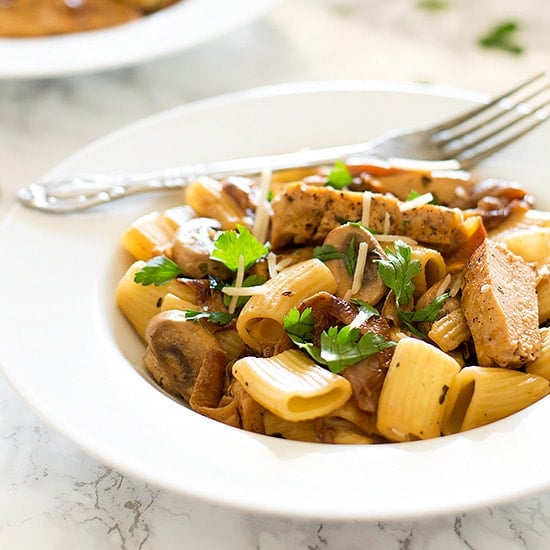
For years, a beloved pasta dish from Macaroni Grill, Carmela's Chicken, captivated diners with its rich, creamy sauce, tender chicken, and earthy mushrooms served over rigatoni. It was a culinary indulgence, a celebratory meal often reserved for special occasions. However, the sheer volume of heavy cream in the original recipe made it a rare treat for most home cooks, who yearned for a way to enjoy its distinctive flavors more often without the calorie guilt. Enter the quest for a lightened up copycat Carmela's Chicken – a version that slashes the fat and calories but remarkably amplifies the flavor. The secret to this transformative culinary feat lies not in fancy substitutions, but in an humble ingredient, painstakingly prepared: caramelized onions.
The Culinary Journey to a Lightened Up Copycat Carmela's Chicken
Imagine a dish so delicious, so comforting, that it becomes a cherished tradition. For many, Carmela's Chicken held that esteemed position. Its appeal was undeniable: succulent grilled chicken, earthy sautéed mushrooms, and a velvety wine and cream sauce, all tossed with al dente rigatoni. It’s the kind of "grown-up pasta" that feels sophisticated yet incredibly satisfying.
The challenge, however, was the sheer decadence of the original. The traditional recipe often called for a staggering 20 ounces of heavy cream – a figure that, while contributing to an incredibly luxurious texture, also packed a significant caloric punch. This made it a dish relegated to annual birthday celebrations rather than a regular weeknight staple. The desire was clear: replicate the exact taste, the feeling of indulgence, but without the caloric overload. This culinary puzzle led to the creation of a truly remarkable lightened up copycat Carmela's Chicken that tastes just as good, if not better, than the restaurant version, yet comes in at surprisingly under 500 calories for a creamy pasta dish.
The Heavy Cream Conundrum: Why Lightening Up Was Essential
The heart of the original Carmela's Chicken lies in its incredibly rich, creamy sauce. This richness, while delicious, primarily stemmed from a copious amount of heavy cream. For a dish that many wanted to enjoy more frequently, this ingredient became the primary target for modification. The goal wasn't just to reduce calories; it was to maintain the luxurious mouthfeel and complex flavor profile that defined the dish, even with less fat.
Reducing the heavy cream posed a significant flavor challenge. Cream not only provides texture but also carries and softens other flavors. Simply cutting it back without compensation would result in a thin, bland sauce. This is where the magic of other ingredients, particularly the star of our show, steps in to fill the void and, in fact, enhance the dish beyond its former glory. This strategic reduction, combined with intensified flavors from other components, makes the lightened up copycat Carmela's Chicken a triumph of smart cooking.
Caramelized Onions: The Unsung Hero of Flavor Depth
If there's one ingredient that truly elevates the lightened up copycat Carmela's Chicken from a mere imitation to an improved culinary experience, it's the caramelized onions. They are not just an afterthought or a minor component; they are the fundamental base note, the secret ingredient that binds all the other flavors together and provides an unparalleled depth, sweetness, and savory complexity that allows the dish to thrive with less heavy cream.
When onions are slowly caramelized, their natural sugars undergo a transformation through a process called the Maillard reaction, developing an intense sweetness, a subtle smokiness, and a profound umami flavor that no amount of added sugar or seasoning can replicate. This makes them indispensable in creating a sauce that feels rich and satisfying even when it’s been significantly "lightened up." The onions provide the foundational flavor that prevents the sauce from feeling thin or lacking. They are, quite simply, the most important part of this dish, lending a complexity that feels wonderfully "grown up" and truly unique.
Browned vs. Caramelized: Understanding the Difference
It’s crucial to understand that there’s a world of difference between merely browning onions and truly caramelizing them. Many recipes might call for "sautéed onions" or "softened onions," but for the lightened up copycat Carmela's Chicken, that's simply not enough.
- Softened Onions: Translucent and tender, typically achieved in 5-7 minutes. They add a mild onion flavor but no significant sweetness or depth.
- Browned Onions: Cooked at a higher heat, they develop some color and a more pronounced savory note, but the sugars haven't fully broken down. They can taste a bit bitter if rushed.
- Caramelized Onions: These are the "dark, ugly, and perfect" onions. They've been cooked slowly over low heat for an extended period (30-60 minutes, sometimes longer), allowing their natural sugars to convert, resulting in a deep, rich brown color, a soft, jam-like texture, and an incredibly sweet, savory, and slightly smoky flavor. This is the stage you absolutely must reach for our dish.
Failing to properly caramelize the onions means your final dish will be missing that essential rich, sweet, and savory base note that truly ties everything together, leaving the flavor profile incomplete.
The Art of Caramelizing Onions: A Step-by-Step Guide
While the process of caramelizing onions is a little time-consuming, it is by no means difficult. Patience is your most important tool here. Once you taste the results, you'll be a convert forever, finding excuses to add them to everything!
- Choose the Right Onions: Yellow or sweet onions (like Vidalias) are ideal due to their higher sugar content. Avoid red onions if you want a purely sweet, un-pungent flavor.
- Slice Evenly: Uniformly slice your onions (about 1/4 inch thick) to ensure they cook evenly. A mandoline can be helpful here.
- Fat is Flavor: Start with a combination of butter and olive oil in a heavy-bottomed skillet or Dutch oven. The butter adds flavor, and the oil helps prevent burning and allows for higher heat tolerance.
- Low and Slow is Key: Add your sliced onions to the pan over medium-low heat. This is crucial. High heat will brown or burn them before they have a chance to caramelize properly.
- Salt and Time: Sprinkle a pinch of salt. This helps draw out moisture, speeding up the initial softening process. Stir frequently, especially in the beginning, to ensure even cooking and prevent sticking.
- Patience, Patience, Patience: This is the longest step. It will take anywhere from 30 minutes to over an hour, depending on the quantity and heat. The onions will gradually soften, turn translucent, then golden, and finally a deep, rich, mahogany brown. They will reduce significantly in volume.
- Deglazing (Optional but Recommended): If the onions start sticking and developing dark spots too quickly, add a tablespoon or two of water, wine, or broth to deglaze the pan. Scrape up any browned bits from the bottom – these are pure flavor!
- The Sugar Boost: Towards the end of the caramelization process (when they are already deeply golden), you can add a small pinch of sugar (about 1 teaspoon per medium onion) to help deepen the color and sweetness, though it's not strictly necessary if you've been patient.
- Know When They're Done: They should be very soft, almost jam-like, and a uniform deep brown color. They will smell intensely sweet and savory.
Crafting Your Lightened Up Copycat Carmela's Chicken: Beyond the Onions
While caramelized onions form the crucial flavor foundation, the other components of the lightened up copycat Carmela's Chicken are equally important in building a balanced and satisfying meal. The beauty of this lightened version is how seamlessly all these elements come together.
Elevating the Sauce: Wine, Mushrooms, and Smart Substitutions
With the heavy cream reduced, other ingredients step up to contribute flavor and body. Mushrooms, specifically, add a wonderful earthy umami that complements the sweet onions and savory chicken. Sautéing them alongside the onions (or adding them when the onions are almost done) allows their flavors to meld beautifully. The addition of cooking wine, such as Marsala or a dry white wine, provides a complex acidity that brightens the sauce and adds another layer of sophisticated flavor. It also helps deglaze the pan, picking up all those delicious browned bits.
For the creamy element, instead of 20 ounces of heavy cream, a Lightened Carmela's Chicken Copycat: Macaroni Grill Favorite might use a combination of half-and-half, milk thickened with a touch of cornstarch, or simply a significantly reduced amount of heavy cream. The trick is to achieve a creamy texture without drowning out the other flavors or adding excessive fat. The depth from the caramelized onions and the savory notes from the mushrooms become even more pronounced in this less-fatty sauce, creating a harmony of flavors that is truly special.
Assembling the Dish: Rigatoni and Finishing Touches
The final assembly of the lightened up copycat Carmela's Chicken is quick and satisfying. Once the pasta (traditionally rigatoni, but penne or other tubular pasta works well) is cooked al dente, it's tossed with the chicken, mushrooms, caramelized onions, and the lighter cream sauce. A sprinkle of Parmesan cheese adds a salty, nutty finish, enhancing the "grown-up pasta" feel. A brief toss in the pan ensures everything is well incorporated and heated through, creating that perfect restaurant-quality texture.
The result is a dish that is creamy, just a bit cheesy, wonderfully smoky, and subtly sweet from those perfectly caramelized onions. It’s a testament to the fact that you don't need excessive amounts of fat to achieve incredible flavor. In fact, by lightening it up and focusing on robust, natural flavors, many find this version even more appealing than the original. For a detailed breakdown of the caloric reduction and how this dish truly stands as an Under 500 Cals: Lightened Carmela's Chicken Creamy Pasta, explore further into the recipe's specifics.
The journey to a lightened up copycat Carmela's Chicken is a delightful exploration of flavor, proving that culinary indulgence doesn't have to come with a heavy price tag of calories. The true secret, the foundation upon which this incredible dish is built, remains the humble onion, transformed through patient caramelization into a powerhouse of sweet, smoky, and savory notes. Mastering this simple yet transformative technique unlocks a world of flavor, not just for this Macaroni Grill favorite, but for countless other dishes in your culinary repertoire. So, embrace the art of caramelization, and prepare to be amazed by the depth of flavor you can achieve in your own kitchen.
